



Parasite
Antiparasitics are a class of medications which are indicated for the treatment of parasitic diseases such as nematodes, cestodes, trematodes, and infectious protozoa.
Parasite Isoform Specific Products
All Product Categories
-
Parasite Related Products (2483)
Related Products (2483)

-
Related Compound Screening Libraries (1)
-
Parasite Isoform Comparison
-
Efavirenz
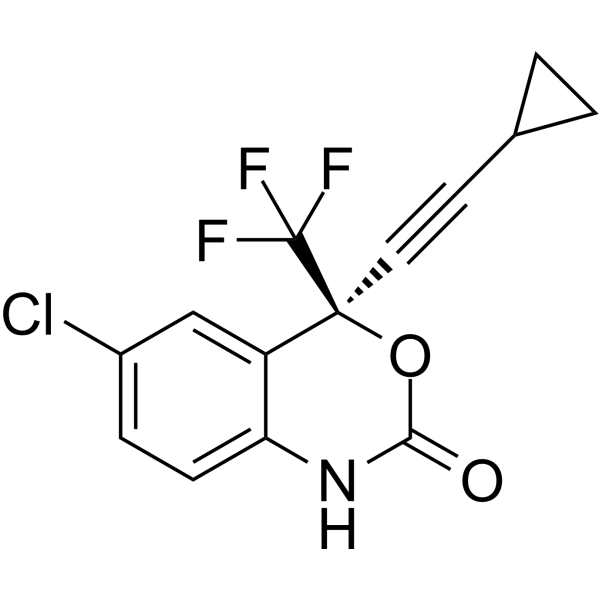 0 ImagesSynonyms: DMP 266; EFV; L-743726Efavirenz (DMP 266) is a potent inhibitor of the wild-type HIV-1 reverse transcriptase with a Ki of 2.93 nM and exhibits an IC95 of 1.5 nM for the inhibition of HIV-1 replicative spread in cell culture.
-
Pimozide
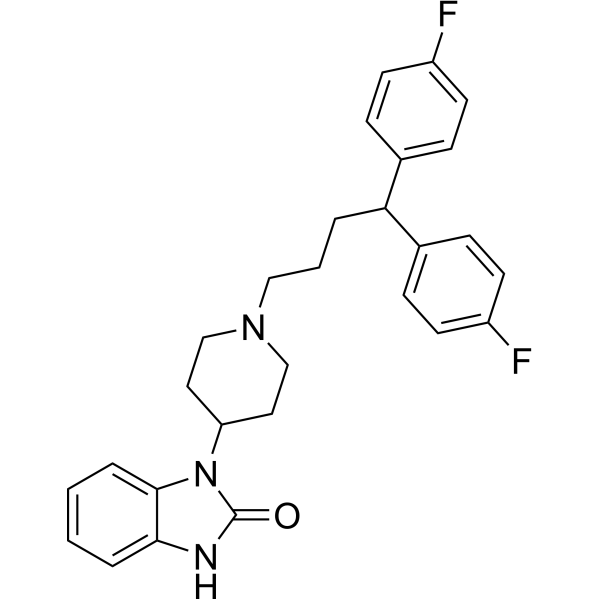 0 ImagesPimozide is a dopamine receptor antagonist, with Kis of 1.4 nM, 2.5 nM and 588 nM for dopamine D2, D3 and D1 receptors, respectively, and also has affinity at α1-adrenoceptor, with a Ki of 39 nM; Pimozide also inhibits STAT3 and STAT5.
-
ML-SI3
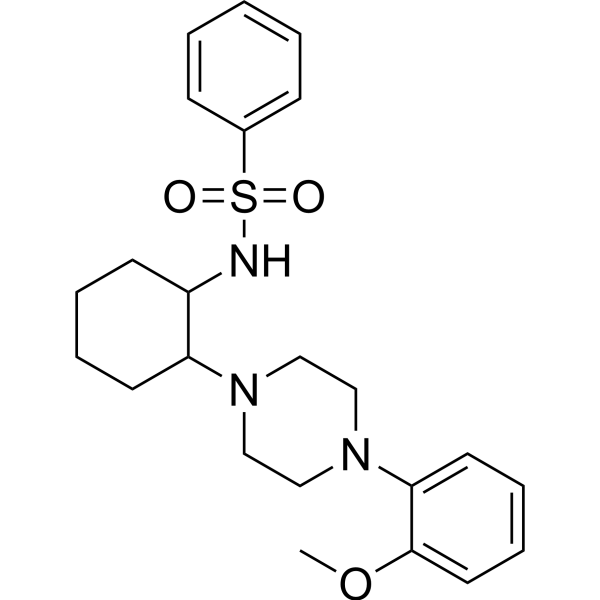 0 ImagesSynonyms: ML-SI3 (cis/trans mix)ML-SI3 is a mixture of cis/trans ML-SI3 (HY-139426A), which is a TRPML1/2 channel inhibitor with IC50s of 4.7 μM and 1.7 μM, respectively. ML-SI3 also inhibits lysosomal calcium efflux and blocks downstream TRPML1-mediated autophagy. The cis/trans ML-SI3 (HY-139426A) components of ML-SI3 are TRPML2 activators with EC50s of 3.3 μM and 9.4 μM, respectively.
-
Lonidamine
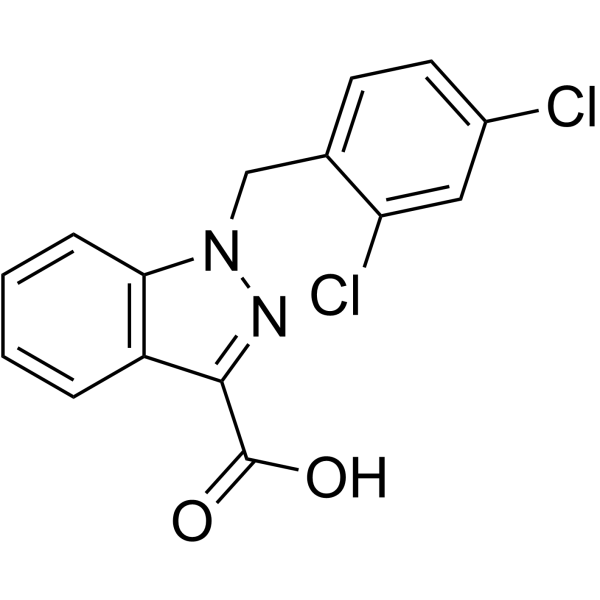 0 ImagesSynonyms: AF-1890; Diclondazolic Acid; DICALonidamine (AF-1890) is a hexokinase and mitochondrial pyruvate carrier inhibitor (Ki: 2.5 μM). Lonidamine also inhibits aerobic glycolysis in cancer cells. Lonidamine can be used in the research of mitochondrial metabolism and inflammation, such as pulmonary fibrosis.
-
Nitazoxanide
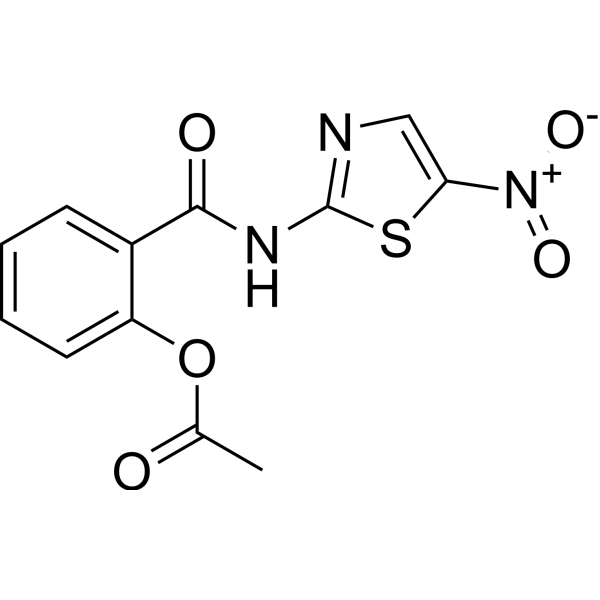 0 ImagesSynonyms: NTZ; NSC 697855Nitazoxanide (NTZ), an anthelmintic agent, exhibits a broad spectrum of activities against a wide variety of helminths, protozoa, and enteric bacteria infecting animals and humans. Nitazoxanide inhibits Giardia lamblia trophozoite proliferation in axenic culture with an IC50 of 2.4 μM. Nitazoxanide can be used for the research of parasitic gastroenteritis. Nitazoxanide shows anti-Japanese encephalitis virus (JEV) activity in a mouse model.
-
Berberine sulfate
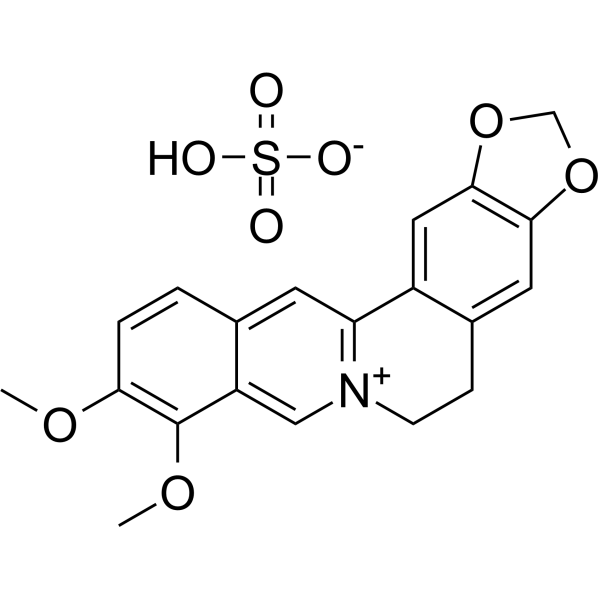 0 ImagesBerberine sulfate is an alkaloid isolated from the Chinese herbal medicine Huanglian, as an antibiotic. Berberine sulfate induces reactive oxygen species (ROS) generation and inhibits DNA topoisomerase. Berberine sulfate has antineoplastic properties. The sulfate form improves bioavailability.
-
Sanguinarine chloride
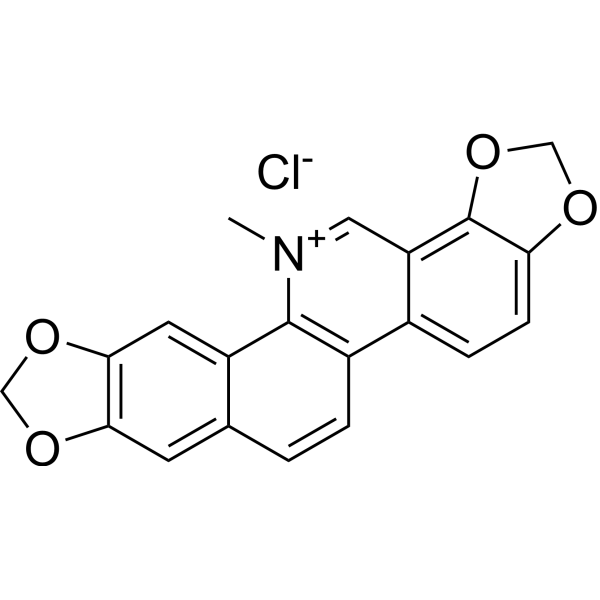 0 ImagesSynonyms: Sanguinarin chloride; Sanguinarium chloride; Pseudochelerythrine chlorideSanguinarine (Sanguinarin) chloride, a benzophenanthridine alkaloid derived from the root of Sanguinaria Canadensis, can stimulate apoptosis via activating the production of reactive oxygen species (ROS). Sanguinarine-induced apoptosis is associated with the activation of JNK and NF-κB.
-
Cepharanthine
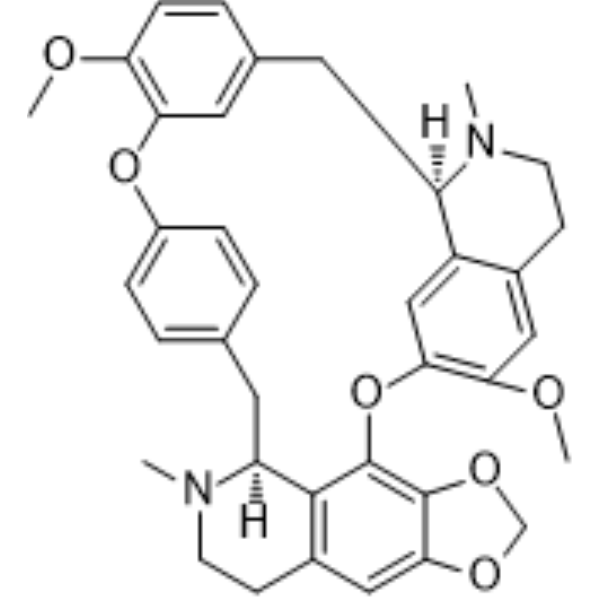 0 ImagesCepharanthine is a natural product that can be isolated from the plant Stephania cephalantha Hayata. Cepharanthine has anti-severe acute respiratory syndrome coronavirus 2 (anti-SARS-CoV-2) activities. Cepharanthine has good effective in suppressing viral proliferation (half maximal (50%) inhibitory concentration (IC50) and 90% inhibitory concentration (IC90) values of 1.90 and 4.46 μM. Cepharanthine can also effectively reverses P-gp-mediated multidrug resistance in K562 cells and increase enhances the sensitivity of anticancer agents in xenograft mice model. Cepharanthine shows inhibitory effects of human liver cytochrome P450 enzymes CYP3A4, CYP2E1 and CYP2C9. Cepharanthine has antitumor, anti-inflammatory and antinociceptive effects.
-
Sinefungin
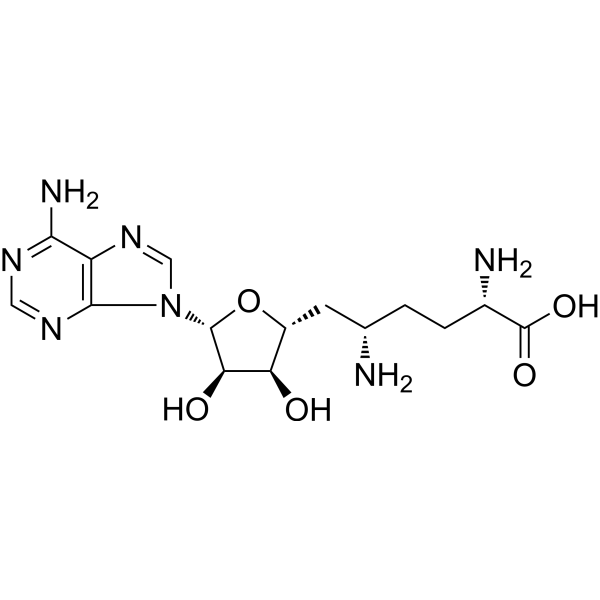 0 ImagesSynonyms: Adenosyl-Ornithine; A-9145; Antibiotic 32232RP
-
Salinomycin sodium salt
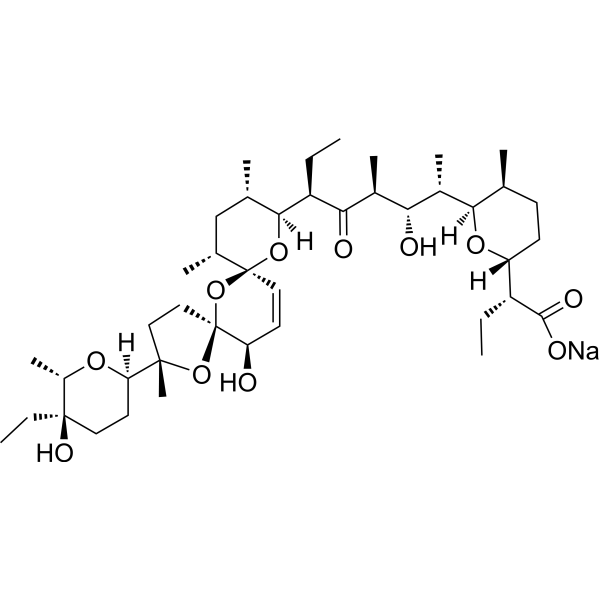 0 ImagesSynonyms: Salinomycin sodium; Sodium salinomycinSalinomycin sodium salt (Salinomycin sodium), an antibiotic potassium ionophore, is a potent inhibitor of Wnt/β-catenin signaling. Salinomycin sodium salt acts on the Wnt/Fzd/LRP complex, blocks Wnt-induced LRP6 phosphorylation, and causes degradation of the LRP6 protein. Salinomycin sodium salt shows selective activity against human cancer stem cells.
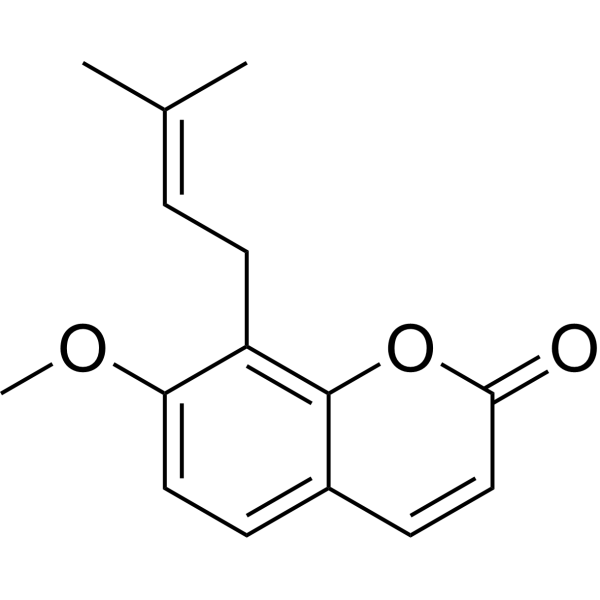
-
PK 11195
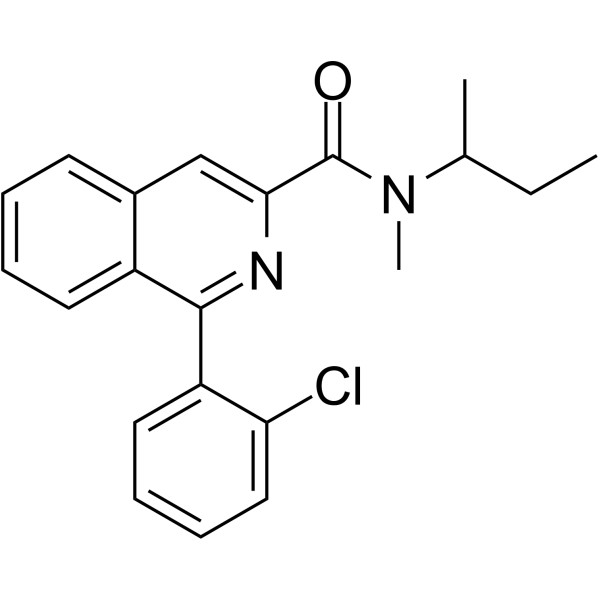 0 ImagesSynonyms: RP 52028PK 11195 (RP 52028) is a ligand of translocator protein (TSPO), which targets Leishmania chemotherapy, with IC50s of 14.2 μM, 8.2 μM, 3.5 μM for L. amazonensis, L. major and L. braziliensis, respectively.
-
Salinomycin
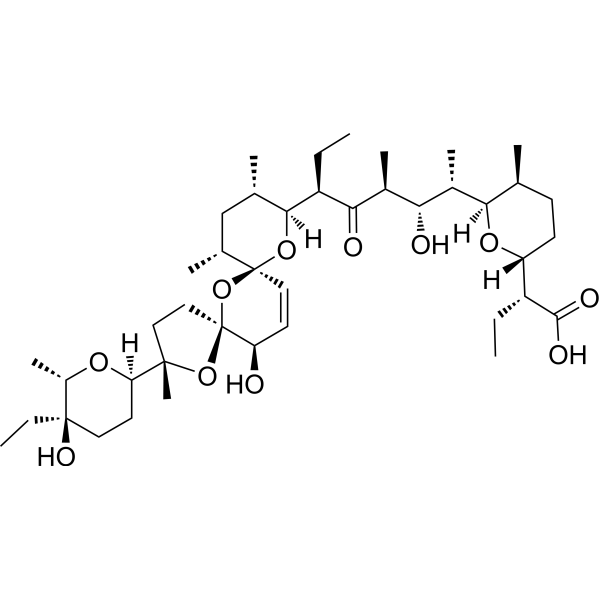 0 ImagesSynonyms: ProcoxacinSalinomycin (Procoxacin), a polyether potassium ionophore antibiotic, selectively inhibits the growth of gram-positive bacteria. Salinomycin is a potent inhibitor of Wnt/β-catenin signaling, blocks Wnt-induced LRP6 phosphorylation. Salinomycin shows selective activity against human cancer stem cells.
-
RRx-001
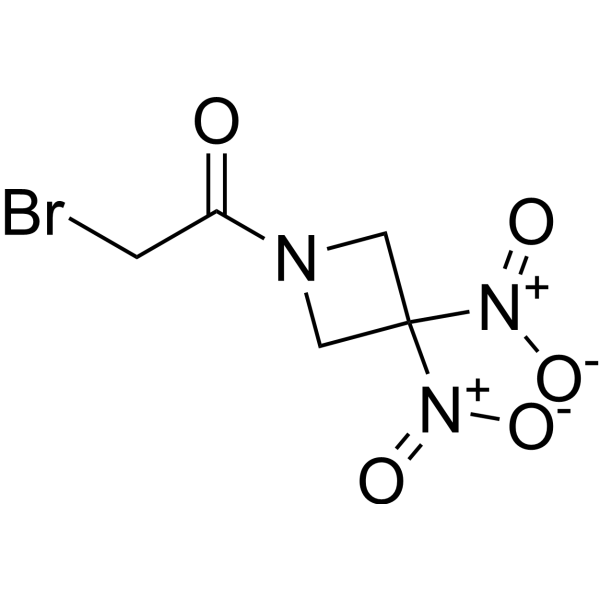 0 ImagesSynonyms: NibrozetoneRRx-001, a hypoxia-selective epigenetic agent and studied as a radio- and chem-sensitizer, triggers apoptosis and overcomes agent resistance in myeloma. RRx-001 exhibits potent anti-tumor activity with minimal toxicity. RRx-001 is a dual small molecule checkpoint inhibitor by downregulating CD47 and SIRP-α. RRx-001 is a potent inhibitor of G6PD and shows potent antimalarial activity.
-
G-418
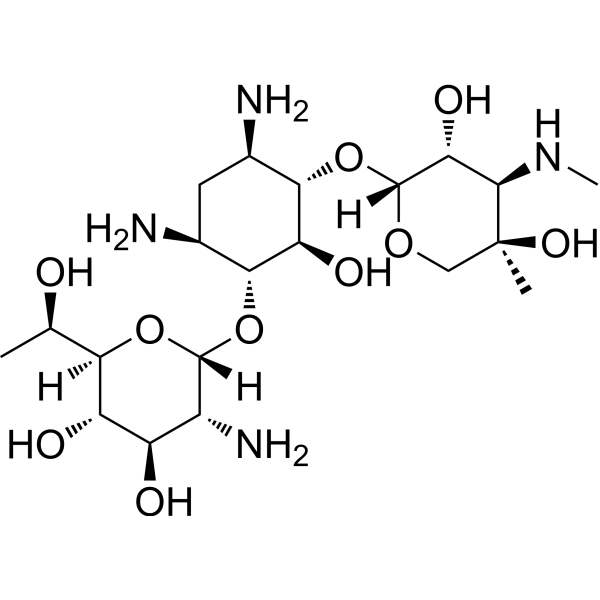 0 ImagesSynonyms: Geneticin; Antibiotic G-418G-418 (Geneticin) is an aminoglycoside antibiotic with a structure similar to gentamicin. It is toxic to both eukaryotic and prokaryotic cells and works by interfering with protein synthesis.
-
Nevirapine
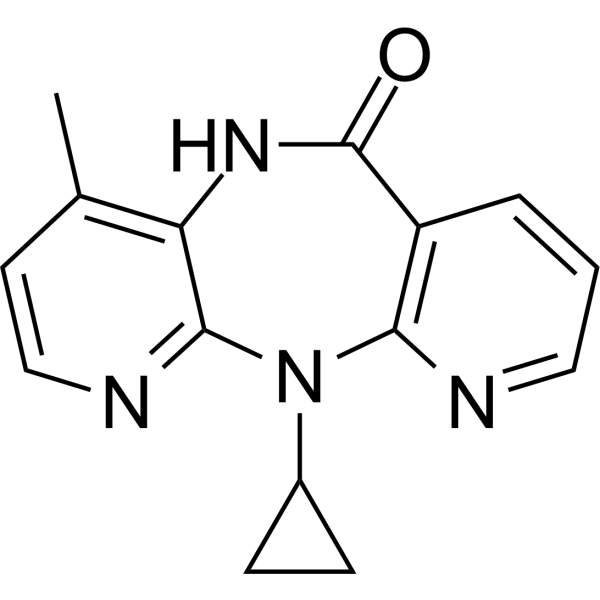 0 ImagesSynonyms: BI-RG 587; NSC 641530; NVPNevirapine is a non-nucleoside inhibitor of HIV-1 reverse transcriptase used to treat and prevent HIV/AIDS; with a Ki of 270 μM.
-
Miransertib
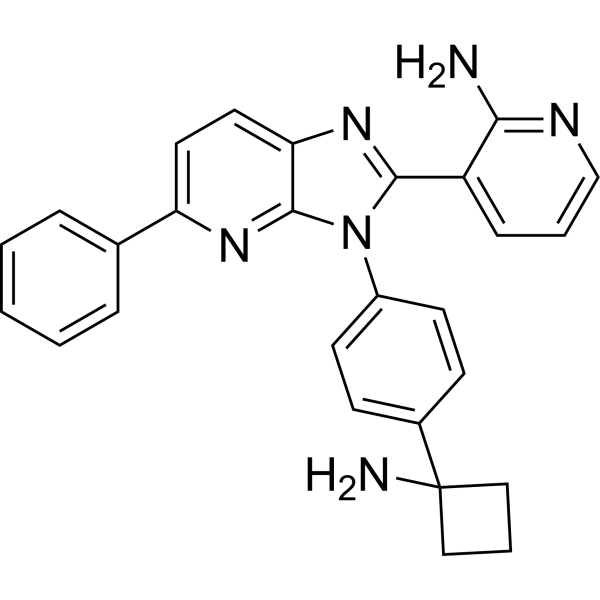 0 ImagesSynonyms: ARQ-092Miransertib (ARQ-092) is a potent, orally active, selective and allosteric Akt inhibitor with IC50s of 2.7 nM, 14 nM and 8.1 nM for Akt1, Akt2, Akt3, respectively. Miransertib is also a potent the AKT1-E17K mutant protein inhibitor and has the potential for PI3K/AKT-driven tumors and Proteus syndrome research. Miransertib is effective against Leishmania.
-
Kojic acid
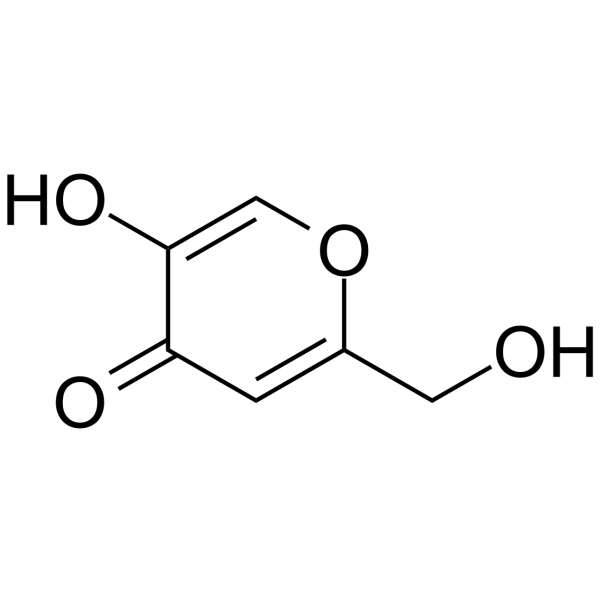 0 ImagesKojic acid is a substance produced by Aspergillus oryzae that is orally effective and can also be absorbed transdermally. Kojic acid exhibits various biological activities, including anti-aging, anti-nematode, antimicrobial, antioxidant, and anti-inflammatory effects. Kojic acid is a Tyrosinase inhibitor with an Mushroom Tyrosinase IC50 of 182.7 μM. Kojic acid prevents melanin production by capturing copper ions that bind to the tyrosinase active site, thus inhibiting its activation. Kojic acid also suppresses the NF-κB and p21 signaling pathways in human keratinocytes. Kojic acid derivatives have anticancer activity.
-
Levamisole hydrochloride
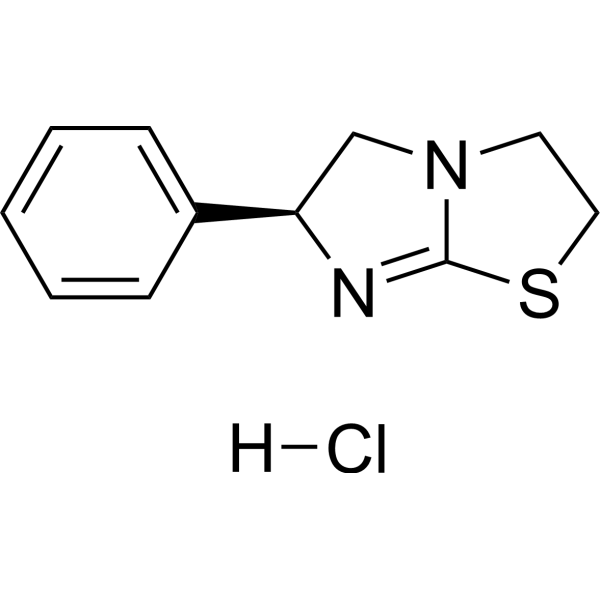 0 ImagesSynonyms: (-)-Tetramisole hydrochloride
-
Cynaroside
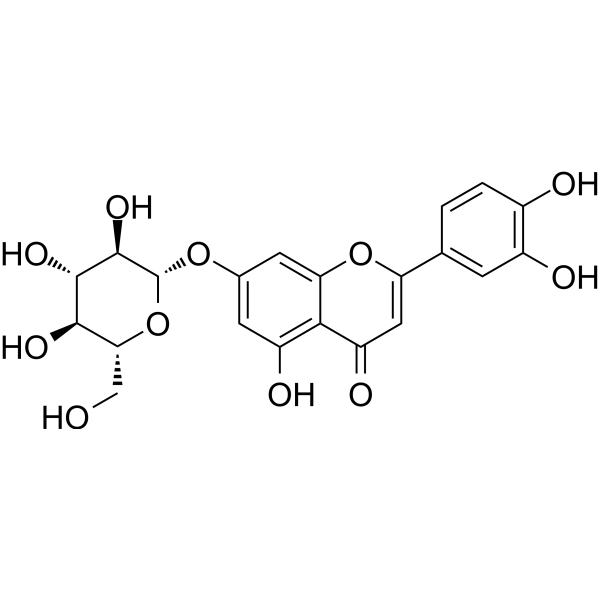 0 ImagesSynonyms: Luteolin 7-glucoside; Luteolin 7-O-β-D-glucosideCynaroside (Luteolin 7-glucoside) is a flavonoid compound that exhibits anti-oxidative capabilities. Cynaroside is also a potent influenza RNA-dependent RNA polymerase inhibitor with an IC50 of 32 nM. Cynaroside also is a promising inhibitor for H2O2-induced apoptosis, has cytoprotection against oxidative stress-induced cardiovascular diseases. Cynaroside also has antibacterial, antifungal and anticancer activities, antioxidant and anti-inflammatory activities.



